
Drying Aqueous Solutions and Slurries
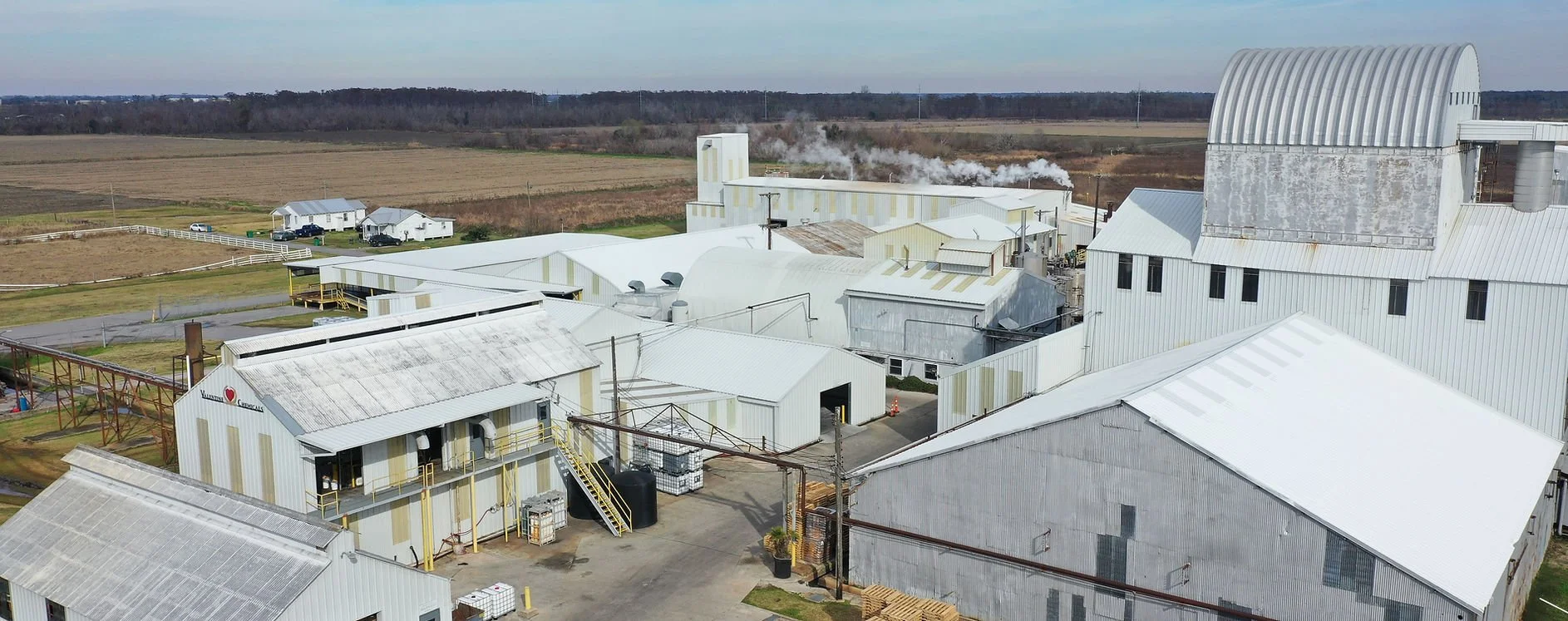
Drying water-based solutions and slurries is everyday work at our plant in Lockport, Louisiana. If you have one that needs to become a powder, the first question is whether your feed will run, and the answer depends mostly on how thick it is. We operate both spray drying and drum drying on site, so we fit the method to your material rather than the other way around. The one feed we cannot take is one where a solvent other than water has to be recovered.
We dry water-based feeds
In a water-based feed, the water is what the dryer takes out. It evaporates in the spray dryer's heated air or off the surface of the drum and goes to atmosphere as water vapor. That is why aqueous solutions and slurries suit both of our drying methods.
We don't have a solvent recovery unit on the back end, so we can't run a feed where a solvent other than water has to be captured.
Before a first conversation, it helps to have a few things ready about your liquid. We have set out the handful of things we ask about any liquid.
Solutions and slurries behave differently
In a solution, the solids are dissolved, so the feed stays uniform on its own from the tank to the dryer. In a slurry, the solids are suspended. Left standing, they can settle in a tank or a feed line. A slurry has to stay uniform right up to the point it reaches the atomizer or the drum, so the powder coming off the dryer stays consistent across the run.
We dry both routinely. Slurries, especially thicker ones, are often a better fit for drum drying, which takes high-solids feeds that resist atomization. Polymer slurries such as polyacrylamides are a common example. Thinner slurries that pump easily can run on the spray dryer much as a solution does.
How thick or thin a feed can be

Drum drying
Drum drying needs a feed thick enough to form a film that stays on the drum. Feeds in the 40 to 60 percent solids range are typical, and we have dried material as low as 10 to 15 percent and as high as 70 percent, depending on the formulation. A feed much thinner than that, close to water, drops through the gap between the two drums instead of drying on them. At the other end, some feeds set fast enough that we slow the drum so the film dries before the blade takes it off.
Spray drying
On the spray dryer, viscosity sets the limit rather than solids content. If the feed can be pumped to the atomizer, it atomizes.
These are typical figures, not cut-offs. A feed outside them is a reason to run a trial, not a reason to rule it out.
Which drying method a feed goes to
Pumpable, lower-viscosity feeds where you need a fine, consistent powder point to spray drying. Thicker, high-solids feeds that resist atomization point to drum drying, as do products where a coarser flake that rehydrates readily suits the end use.
Where the finished powder will be dosed, dissolved or blended can matter as much as the feed.
Material type alone does not always settle it, and some feeds are worth trying both ways before choosing. We compare the two methods in more detail in Spray Drying vs. Drum Drying: Which Is Right for Your Formula?
Feeds that need to be kept warm or stirred
Some feeds need to be held warm and kept moving to stay pumpable until they run. Others go back into solution once pumping starts. We have agitated storage tanks and heated storage up to 180°F, and we hold a feed the way that material needs. The specifics depend on the material, so we work through them with you in the first conversation.
What comes back
The powder
Spray drying produces a fine, free-flowing powder of approximately 20 to 100 microns, depending on the material, with finished moisture of 5 percent or less. Drum drying produces a flake that we mill at the hammer mill to standard mesh sizes. It is generally coarser than spray-dried powder, with finished moisture typically 4 to 8 percent and an open structure that rehydrates readily.
How it's held to your spec
During production we check the material at least every hour for moisture, appearance, viscosity and bulk density, as applicable. Every production run comes with a certificate of analysis reported against your specification. You set the specification; we test and report against it. More on how runs are checked is on our quality control page.
If you don't have a finished specification yet, that is common at the start. The pilot stage is usually where one takes shape.
Trying your feed before you commit
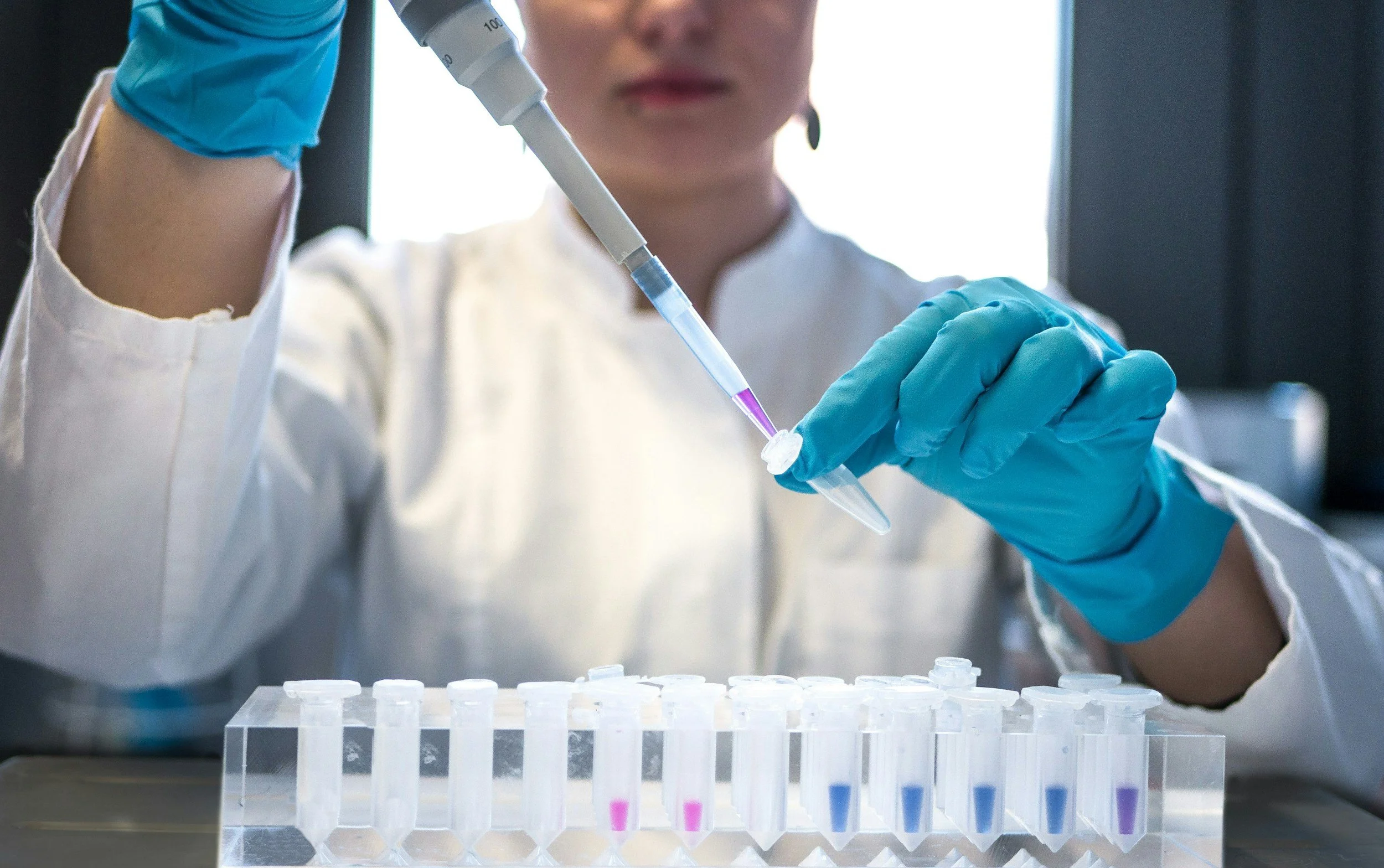
A trial run answers what a specification cannot: how your feed behaves under heat, how it releases from the drum and what the powder looks like and how it handles.
We run a 3-foot pilot spray dryer and pilot drum dryers on the same site as production, with our development and QC labs next to them. A feed can move from benchtop to pilot to trial scale and into production without a change of partner, equipment or process understanding. More on that work is on our lab services and product development page.

When we make the liquid as well
For some customers we make the liquid as well as dry it. Our polymer reactors run on the same site as the dryers, so a feed can go from the reactor to the dryer without being shipped between suppliers. That can reduce vendor handoffs and the freight between stages. Our development lab covers reactions as well as drying, so pilot work on both can happen at the same site.
It also keeps the whole process with one team, from the reaction through drying, milling and packaging.
Talk through your feed
Tell us what your liquid is and what the powder needs to do. We'll talk it through with you and, if it helps, run a sample to see how your feed dries. You don't need a finished specification to start.
Frequently Asked Questions
-
No. We work with aqueous solutions and slurries, and we don't have a solvent recovery unit on the back end. A feed where a solvent other than water would need to be captured is outside what we can run.
-
Yes, if it can be pumped to the atomizer. Viscosity is the limit rather than solids content. Thicker, high-solids slurries that resist atomization are usually a better fit for drum drying.
-
There is no fixed figure. On the spray dryer, viscosity sets the limit: if the feed can be pumped to the atomizer, it atomizes.
-
Feeds of 40 to 60 percent solids are typical, and we have dried material as low as 10 to 15 percent and as high as 70 percent, depending on the formulation. A feed that is too thin drops through the gap between the drums instead of drying on them.
-
Usually not. We have agitated storage tanks and heated storage up to 180°F, and we hold a feed the way that material needs. We work through the specifics with you in the first conversation.
-
It depends on the chemistry. Spray drying exposes material to hot air briefly; drum drying puts it in contact with a heated surface for longer. Which profile a material tolerates is best answered with a pilot trial. See how the two methods compare on heat in Spray Drying vs. Drum Drying.
-
Spray drying produces powder of approximately 20 to 100 microns, depending on the material. Drum-dried flake is milled to standard mesh sizes after drying and is generally coarser.
-
We check the material at least every hour during production and issue a certificate of analysis on every production run, reported against your specification. You set the spec; we report against it.
-
Yes. We run pilot trials on both spray and drum drying, on the same site as production.
-
For some materials, yes. Our polymer reactors are on the same site as the dryers, so a feed can be made and dried in one place.