
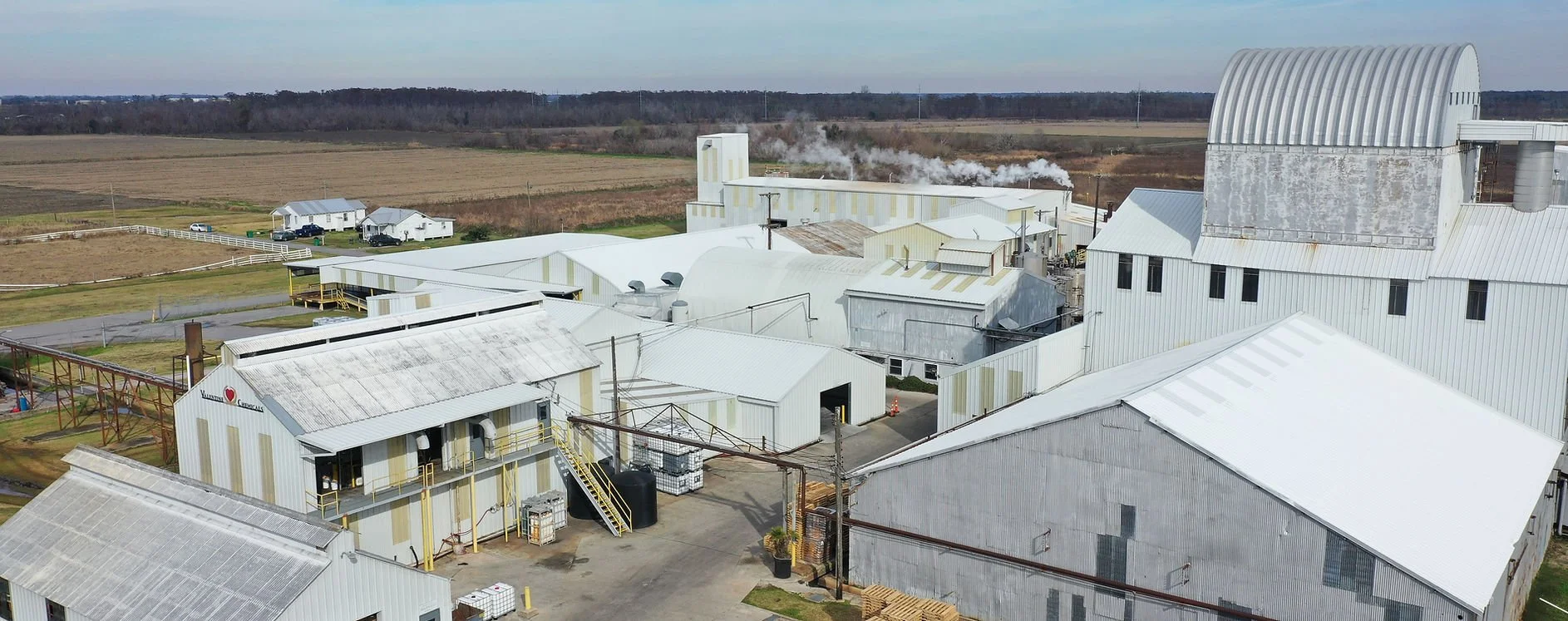
Precision Spray Drying Services
Based in Lockport, Louisiana, Valentine Chemicals' spray drying capacity exceeds 50,000 liquid pounds per day, supporting formulations that need to move from liquid to powder without losing what makes them work.
When a Liquid Formulation Needs to Become a Powder — Without Losing What Makes It Work
Spray drying atomizes a liquid feed into fine droplets and dries them quickly in a heated air stream. That speed and control are what make it well suited to formulations where precision matters: heat-sensitive actives that need a short, controlled drying window; emulsions that need their structure preserved through the conversion to powder; and products that call for a specific, consistent particle size to support downstream blending, dosing, or performance.
Valentine's spray drying operations support pilot trials, feasibility runs, and full commercial production, all on-site, so a formulation can move from early testing to volume production without changing partners or process assumptions along the way.
How Valentine's Spray Drying Process Works
Valentine converts aqueous solutions into free-flowing powders using atomization and rapid-dry processing. A rotary atomizing disc breaks the liquid feed into fine droplets, which dry almost instantly in a heated air stream. Because the material spends very little time exposed to heat, spray drying is well suited to formulations that are sensitive to prolonged heat exposure or that need to retain an emulsion structure through the drying process.
Particle size, moisture content, and finished powder characteristics can be adjusted based on the formulation and the intended end use. This makes spray drying a strong fit for products where consistency and specification matter as much as throughput.
Typical Spray Drying Parameters
| Parameter | Typical Range |
|---|---|
| Feed type | Aqueous solutions |
| Particle size | Under 150 microns |
| Finished moisture content | 5% or less |
| Atomization | Rotary atomizing disc |
The right approach depends on your formulation. We recommend a feasibility discussion to confirm fit before scaling up.
Spray Drying Applications by Industry

Oil & Gas
Spray drying supports the production of drying polymers, scale inhibitors, and other additives where particle characteristics affect downstream performance in the field.
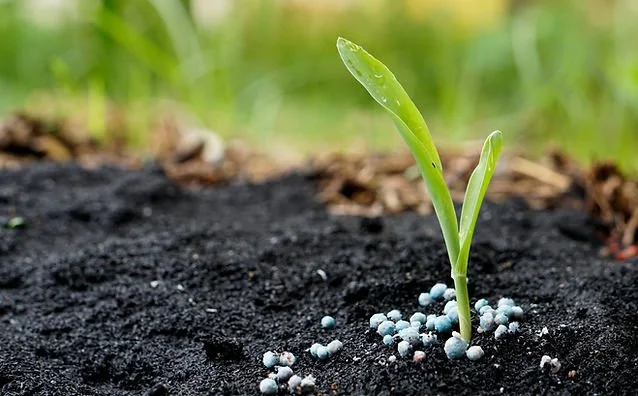
Agriculture
Fertilizers, micro-nutrients, and specialty chemical carriers can be spray dried to a consistent particle size for reliable handling, blending, and application.
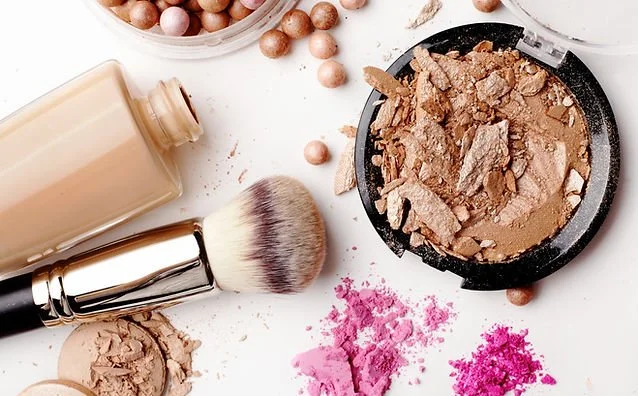
Personal Care
Spray drying can preserve emulsion structure through the drying process, which supports hair and skincare actives, fragrances, and other formulations where structure and stability matter after conversion to powder.

Construction
Functional additives and coatings used in construction materials can be spray dried for consistent particle size and ease of incorporation into finished products.
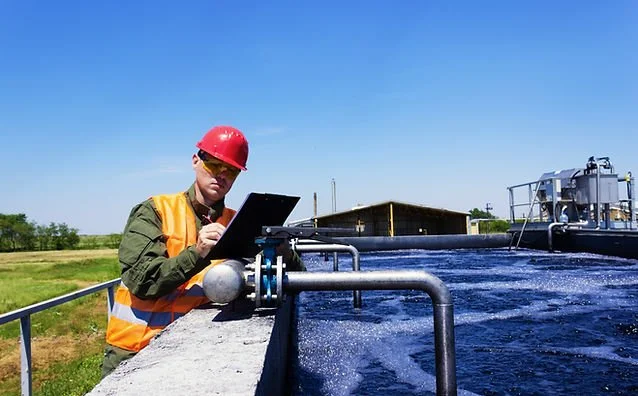
Water Treatment
High-purity polymers and coagulants often depend on tightly controlled particle characteristics. Spray drying supports the consistency these applications require.

Paper
Additives, water repellants, and latexes used in paper manufacturing can be spray dried to support consistent handling and performance in downstream processing.

Specialty Chemicals
Custom blends, dispersions, and proprietary actives benefit from spray drying's ability to hold fine, controlled particle sizes across a range of chemistries.
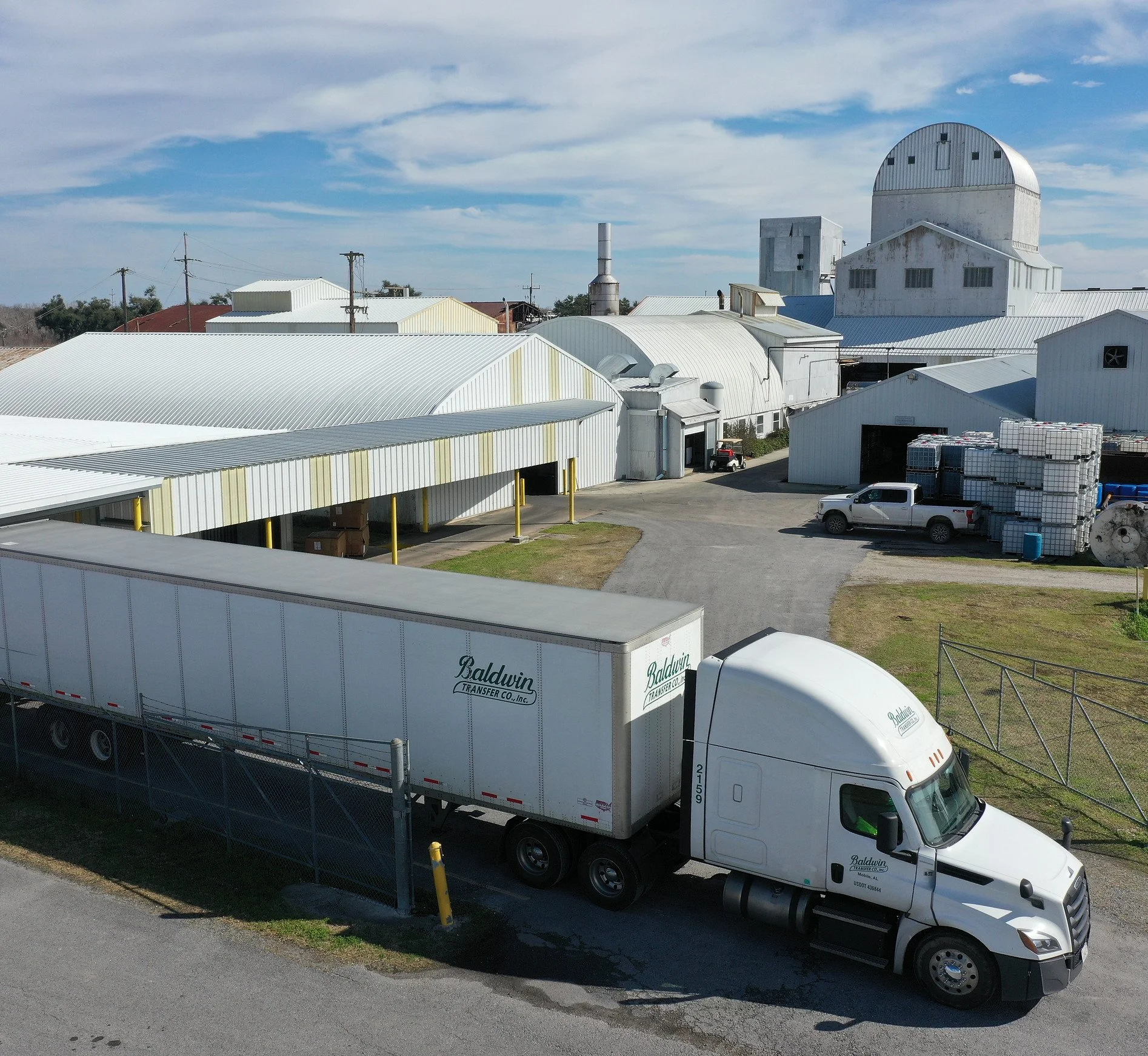
From Pilot Trial to Commercial Volume
Formulations don't always arrive fully specified. Some come to us ready for full-scale production. Others haven't settled on a drying method yet, or need feasibility testing first to confirm how a formulation behaves under spray drying conditions before committing to a production run.
Valentine supports both.
Pilot and feasibility trials happen on the same site as commercial production, so a formulation that passes feasibility testing can move into trial batches or full-scale runs without a change in partner, equipment, or process understanding.
Our development and QC labs sit adjacent to production, which keeps technical input close at hand throughout scale-up.
Why Partner with Valentine for Spray Drying
Industrial Capacity with 24/7 Uptime
Continuous operations and surge flexibility mean production capacity is there when you need it.

Trusted with Sensitive and Proprietary Formulations
Our clients include technical teams working through bench-to-market transitions, entrusting us with proprietary formulations and processes, a reflection of how seriously we treat confidentiality.

Integrated, One-Roof Processing
Beyond drying, Valentine can synthesize the liquid formulation and package the finished powder on-site. That can reduce freight costs, cut down on vendor handoffs, and simplify the path from formulation to finished product.
Frequently Asked Questions
-
Valentine's spray drying process is suited to aqueous solutions, including formulations that are sensitive to heat or that need to retain an emulsion structure through drying. Specific fit depends on the formulation, and we recommend a feasibility discussion to confirm. For materials that aren't a good fit for spray drying, drum drying may be the better route.
-
Yes. Feasibility and pilot-scale trials run on the same site as commercial production, so a formulation can move from testing into scale-up without switching partners.
-
Oil and gas, agriculture, water treatment, personal care, specialty chemicals, paper, and construction.
-
Spray drying and drum drying suit different formulations and production goals. See how the two methods compare to help determine which one fits your process.
Ready to Talk Through Your Formulation?
Reach out to speak with our team about your spray drying needs, from early feasibility questions to full-scale production.