
Confidentiality & IP Protection
at Valentine Chemicals
Scaling proprietary chemistry often requires sharing sensitive formulas, process details, production requirements, and packaging needs with an external manufacturing partner. This transition creates inherent risk. Confidentiality matters across the full project lifecycle, from early feasibility discussions and pilot trials to process adjustments, commercial production, and final fulfillment.
Valentine Chemicals operates as a discreet contract manufacturing partner for customers moving sensitive products from pilot to full-scale production. This commitment to confidentiality is supported by both formal legal agreements and practical, everyday manufacturing controls.

Confidentiality Begins Before Production
Technical discussions typically begin under a standard non-disclosure agreement (NDA). These agreements generally state that Valentine Chemicals will not use or share the information provided by customers, with standard durations ranging from two to five years.
Information is restricted internally. Only employees with a legitimate need to know are granted access to customer information. All employees sign confidentiality agreements and receive training on intellectual property sensitivity. When subcontractors are required, they are also bound by NDAs.
As a contract manufacturer, Valentine does not sell a customer’s product to others or use customer-provided information for another party. We can manufacture competing products only when each customer provides its own specifications, the source of the information is documented, and one customer’s information is never used to support another’s product.
A Long-Standing Culture of Discretion
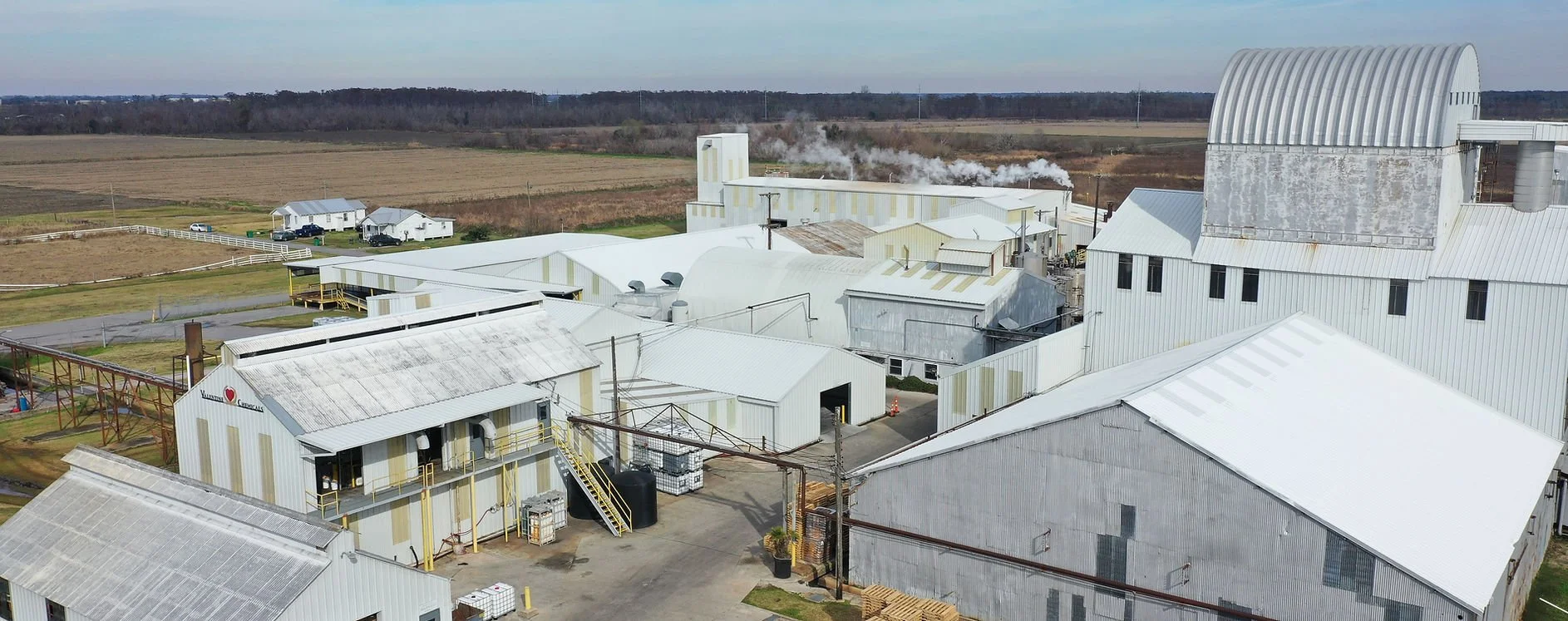
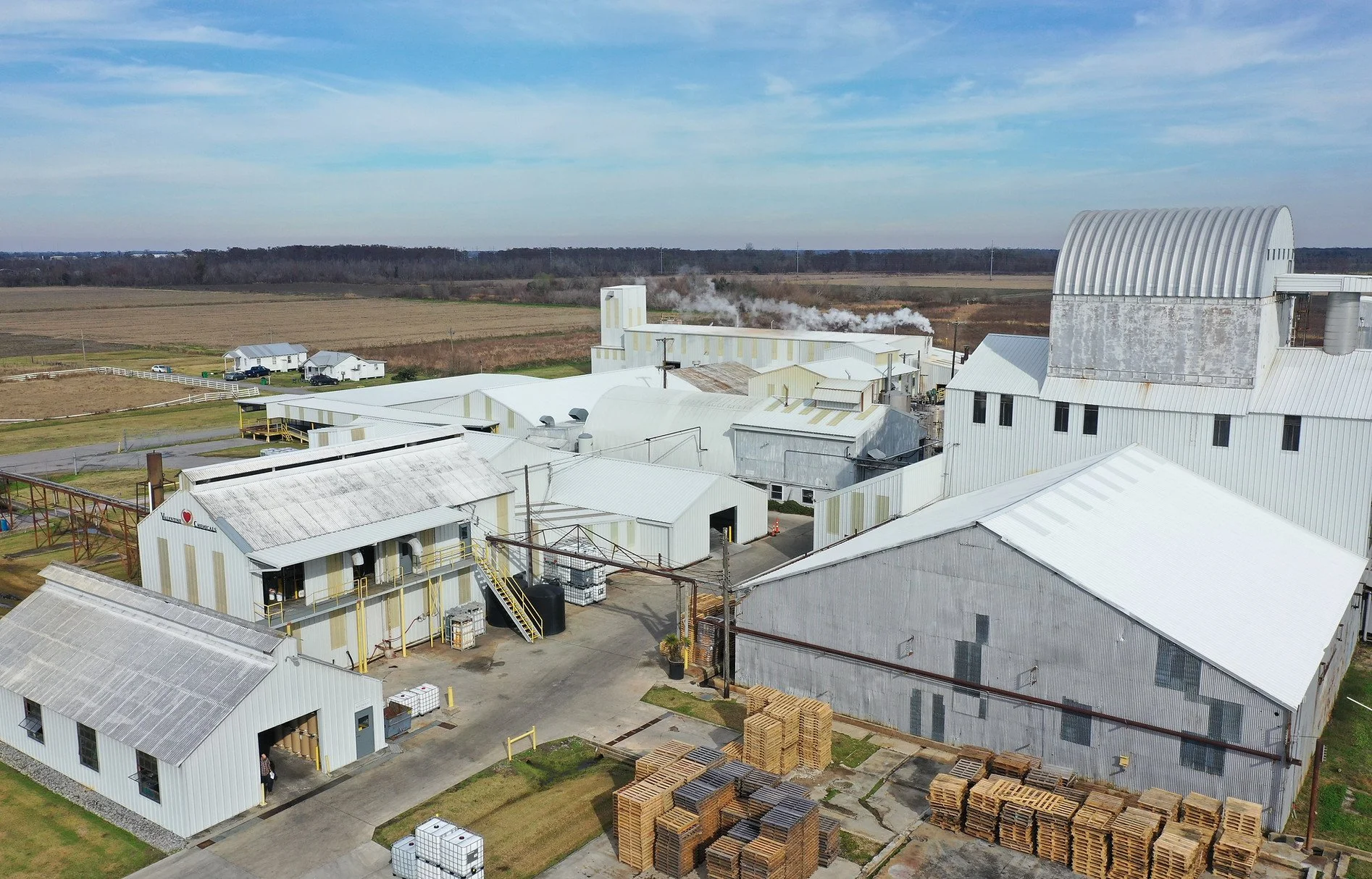
Valentine Chemicals is a fourth-generation, family-owned custom chemical manufacturer based in Lockport, Louisiana. Operating continuously since 1938, the company has built a reputation around reliability, technical competence, and long-term customer relationships.
Discretion is treated as a professional duty. This quiet excellence and end-to-end accountability matter deeply for customers developing new-to-market products, reformulations, or proprietary process improvements. It also supports private-label products, confidential scale-up projects, and distributor-led specialty products.
To learn more about our history and values.

Confidential Scale-Up and Development Support
Valentine protects your intellectual property during the most vulnerable stage of the product lifecycle: the transition from concept to commercialization.
By providing integrated development lab support and scale-up trials at a single site, we ensure that the "learnings" and optimizations discovered during R&D remain confidential.
Our technical teams provide consultation on formulation behavior and drying methods without the need for external tech transfers. This internal continuity allows customers to move from bench scale to full production while keeping proprietary process chemistry and trial data within one secure professional circle.
Reducing IP Exposure Through Integrated Manufacturing
Valentine’s vertically integrated model minimizes the physical "paper trail" of your proprietary chemistry.
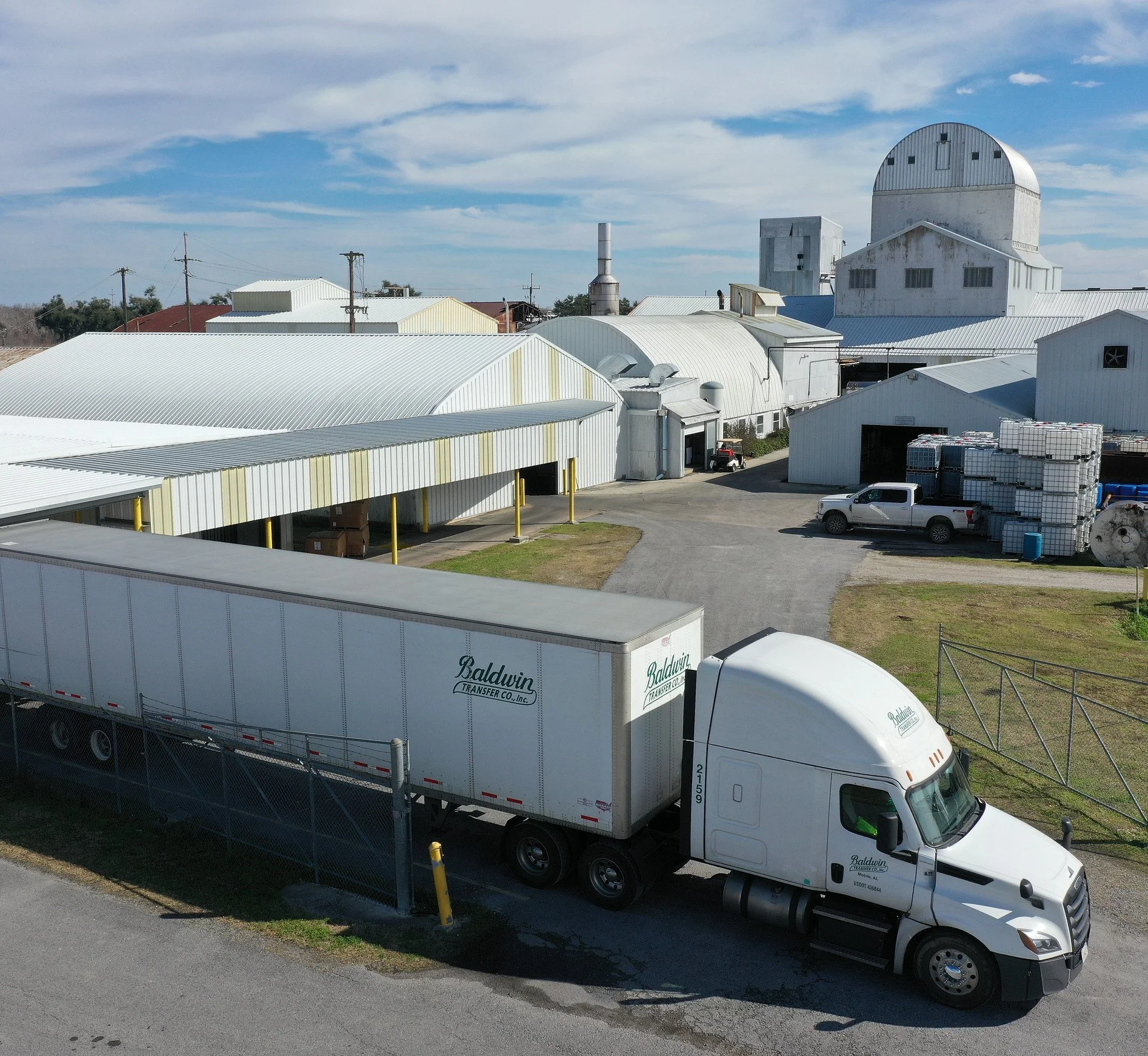
Every additional vendor, freight leg, or sample transfer introduces a new point of exposure. By consolidating multiple manufacturing steps at our Lockport facility, we eliminate these external handoffs.
Our site-wide capabilities—including liquid chemical production, custom polymer reactions, drying, blending, and warehousing—allow us to manage the entire production flow under one roof. For example, Valentine can produce a liquid formula and convert it to powder on-site, removing the risks associated with transporting intermediates between third-party processors.
At Valentine, your product can stay within one controlled environment from raw material to final packaging.

Controlled Scheduling, Production, and Changeovers
Production is scheduled by project, and once a project is scheduled, it is typically locked in. Products requiring the same production equipment are generally produced one at a time, which is especially relevant when working with customers in overlapping or competing markets.
Cross-contamination and cross-knowledge exposure are managed through strict cleanout procedures, controlled material movement, and need-to-know employee access. Typical cleanout and changeover steps may include a sweep down, water flush, steam out, or inert flush from the next product.
Protocols are selected based on the specific product and equipment involved. These cleanout and changeover practices are essential for product integrity and confidentiality between projects.

Data Handling and Documentation
Customer formulation and batch information is maintained in Valentine’s business systems and customer files, with access limited to employees who need the information to perform the work.
Valentine’s confidentiality approach depends on controlled information access, employee confidentiality obligations, and the careful documentation of customer-provided specifications.

Controlled Plant Access and Material Movement
Customers are not permitted to move unescorted through the plant. Customer movement within the facility is strictly controlled to protect operational integrity.
Material movement is also controlled to reduce cross-exposure between active projects. These practical facility controls help protect customer formulations, batch information, product identity, and production workflows.

24/7 Operations and Facility Oversight
Because Valentine operates 24/7/365, production and material handling are managed within an actively staffed environment.
Continuous operations support disciplined scheduling, handoffs, and production oversight. This reliability is further supported by long-term employees and relatively low turnover. Employee continuity supports institutional knowledge, consistent procedures, stable customer relationships, and a strong culture of confidentiality.
Discuss Your Project Under NDA
Speak with Valentine about your confidential formulation, drying, or blending requirements. Conversations can begin with a feasibility discussion under a standard confidentiality framework.