
Drum Drying at Valentine Chemicals
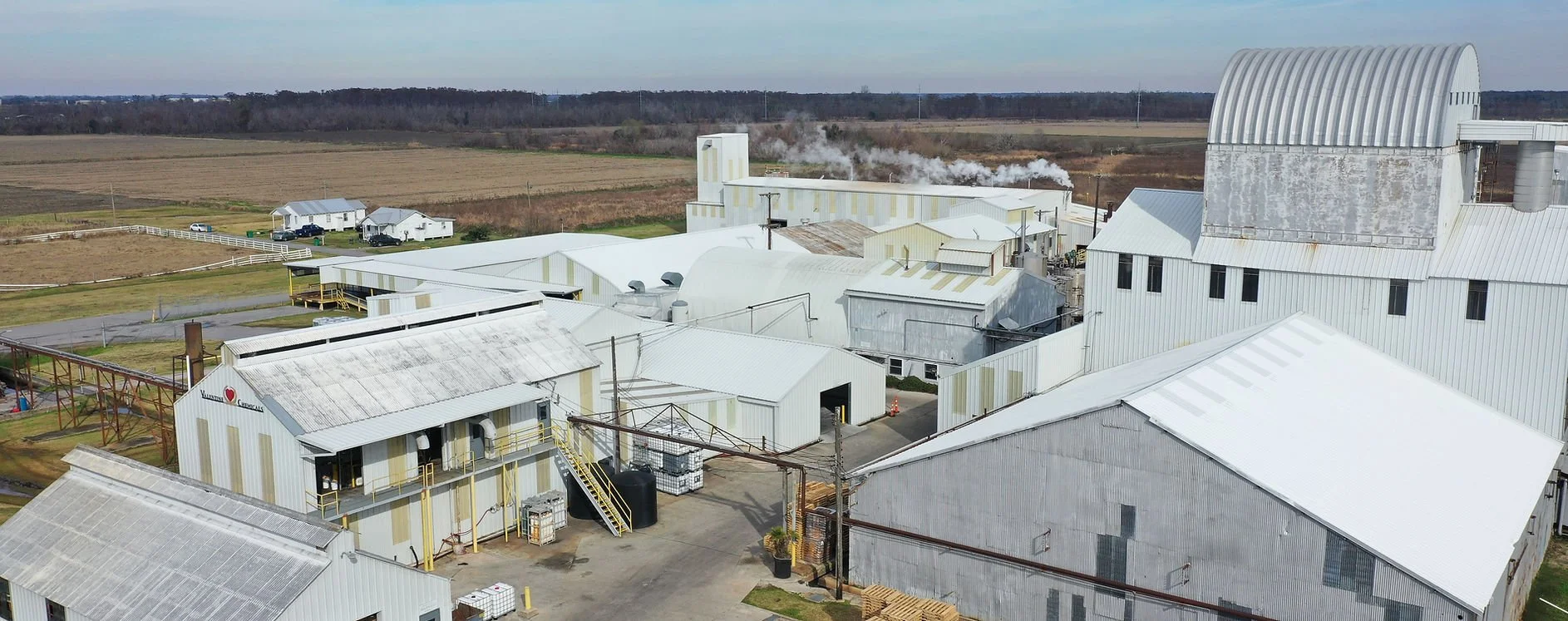
Based in Lockport, Louisiana, we run drum drying capacity exceeding 200,000 liquid pounds per day, converting thick slurries, pastes, and high-solids formulations into a dry, free-flowing product at commercial volume.
When a Formulation Won't Spray Dry
Not every liquid can be atomized. Pastes, high-solids slurries, and viscous polymer feeds can resist spray drying, either because they can't be pumped and sprayed reliably or because diluting them to make spraying possible would work against the product.
A thin film of feed is applied to the surface of a heated rotating drum, where it dries through direct contact and is scraped off as a dry sheet or flake. That makes drum drying well suited to formulations that are too thick, too high in solids, or too viscous for atomization, and to products where a coarser, readily rehydrated output is acceptable or preferred.
If you're not sure which drying method fits your formulation, we help answer before you commit to either.
How Our Drum Drying Process Works
Drum drying is a contact-drying method. We apply liquid or slurry feed as a thin film to the surface of large, internally steam-heated rotating drums. Heat transfers conductively from the drum surface into the material as the drum turns, and a scraper blade removes the dried film near the end of each rotation. The process runs continuously and handles feedstocks that would be difficult or impossible to push through an atomizer.
We operate five double-drum, chrome-plated drum dryers. Four share the same dimensions - approximately 5 feet in diameter and 12 feet long - while the fifth is sized slightly differently. All run with internal steam heating to surface temperatures up to 300°F, at atmospheric pressure rather than under vacuum. Rotation speed and the drum “nip” (the gap where feed sits on the drum surface) can both be adjusted to fine-tune how a formulation cures and releases from the drum. As material dries and flakes off, we auger it to a hammer mill for size reduction, where mesh selection governs the finished particle size.
Because drum drying relies on the feed forming a stable film on the drum, thicker feedstocks generally run best - very thin, water-like feeds can run straight through the gap at the center of the drums before they have a chance to dry. On the other end, some fast-curing materials need the drum slowed down so the film has time to dry before it reaches the scraper. Where a formulation falls in that range is one of the first things we help confirm.
Typical Drum Drying Parameters
| Parameter | Typical Range |
|---|---|
| Feed type | High-viscosity slurries, pastes, and high-solids formulations that resist atomization |
| Particle size | Flakes, milled to standard mesh sizes after drying (coarser than spray-dried powder) |
| Finished moisture content | 4-8% |
| Feed solids content | 40-60% typical |
What Drum Drying Is Well Suited For
Drum drying can be a suitable method when a feed is viscous or high in solids, and when the finished product can tolerate contact with a heated surface. Feeds in the 40 to 60 percent solids range tend to run best, though we've dried material as low as 10 to 15 percent solids and as high as 70 percent, depending on the formulation. The output is typically flakes or sheets that we mill to a target particle size after scraping.
Drum-dried material often has a porous, open structure that rehydrates readily, which can be an advantage for products intended for reconstitution or bulk blending.
Materials we commonly run through drum drying include high-viscosity pastes and thick slurries, polymer slurries such as polyacrylamides, starches and starch-based feeds, and other high-solids formulations that resist atomization.
For heat-sensitive chemistries or products that need a fine, tightly specified particle size, spray drying may be the better fit - we can help you evaluate which method suits a given formulation.
When a team brings us a new formulation, the questions we typically work through together include:
What is the feed's viscosity or percent solids?
How heat-tolerant is the formulation?
What finished particle size or moisture content are you targeting?
Is the material currently a liquid, a paste, or a slurry?
Are you evaluating feasibility at pilot volume, or ready for commercial-scale runs?
Drum Drying Applications by Industry

Oil & Gas
We support the conversion of polymer slurries and other high-solids oilfield additives, including polyacrylamide-based products used in friction reduction and related applications.
Agriculture
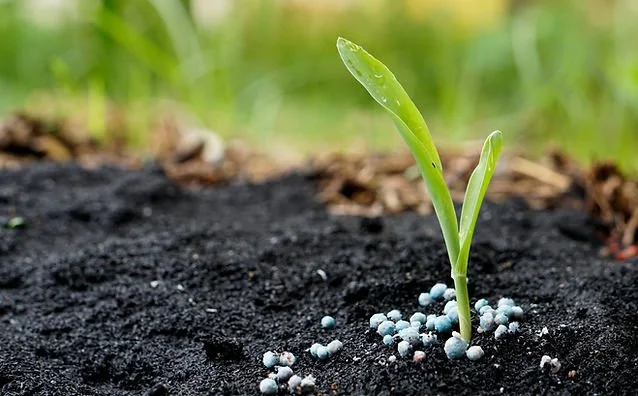
Fertilizer pastes, micronutrient concentrates, and other high-solids agricultural inputs can be drum dried into handleable dry formats for downstream blending and application.
Water Treatment
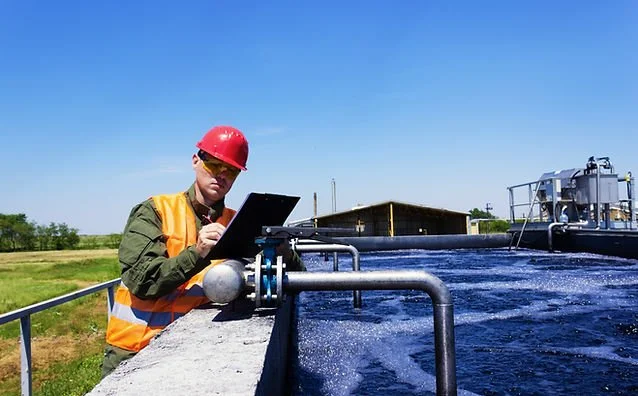
Coagulants, flocculants, and treatment polymers that arrive as viscous slurries can be drum dried where a coarser, readily rehydrated output suits the end use.

Specialty Chemicals
Custom blends, dispersions, and proprietary actives that are too thick or high in solids for atomization can be processed through drum drying across a range of chemistries.
Why Partner with Valentine for Drum Drying

High-Volume Capacity with 24/7 Uptime
Our drum drying capacity exceeds 200,000 liquid pounds per day, run on continuous 24/7/365 operations with surge flexibility, so production capacity is there when a formulation is ready to scale.

Trusted with Sensitive and Proprietary Formulations
Our clients include technical teams working through bench-to-market transitions who entrust us with proprietary formulations and processes - a reflection of how seriously we treat confidentiality.

Integrated, One-Roof Processing
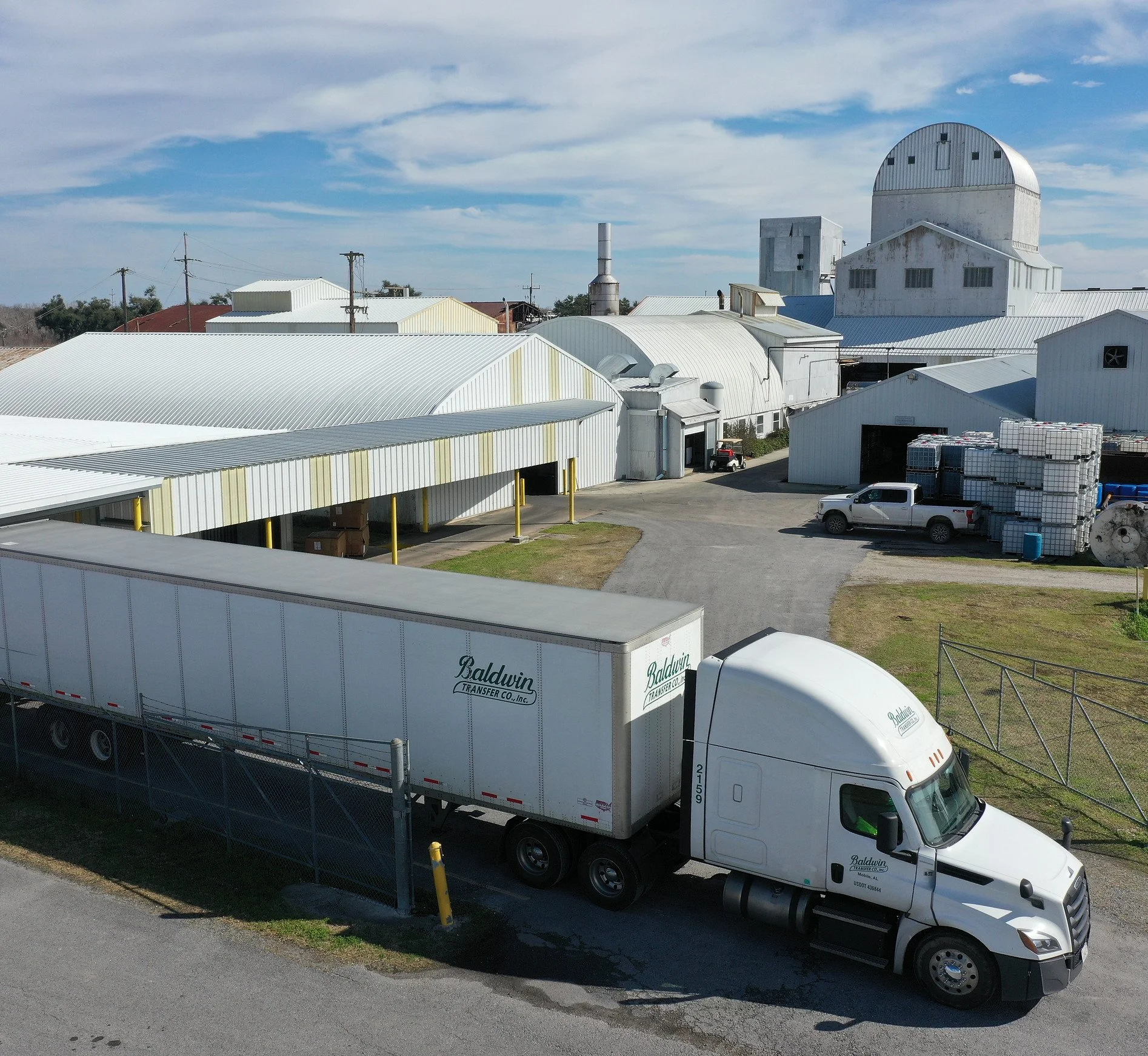
Beyond drying, we can synthesize the liquid formulation, mill the dried product to a target particle size, blend it, and package it on-site. That can reduce freight costs, cut down on vendor handoffs, and simplify the path from formulation to finished product.
From Pilot Trial to Commercial Volume
We run two pilot drum dryers on the same site as commercial production, so a formulation that passes feasibility testing can move into trial batches and full-scale runs without a change in partner, equipment, or process understanding. Our development and QC labs sit adjacent to production, which keeps technical input close at hand throughout scale-up.
Frequently Asked Questions
-
Drum drying is well suited to high-viscosity pastes, thick slurries, polymer slurries, starches, and other high-solids formulations that resist atomization. Specific fit depends on the feed's viscosity and solids content - we recommend a feasibility discussion to confirm.
-
Spray drying atomizes a liquid feed into fine droplets and dries them in a heated air stream, producing a fine powder. Drum drying applies the feed to a heated rotating drum and scrapes off the dried film, producing flakes or coarser powder that can be milled to a target size. Drum drying handles thicker, higher-solids feeds; spray drying suits pumpable feeds that need a fine, tightly controlled particle size. See Spray Drying vs. Drum Drying: Which Is Right for Your Formula? for a fuller comparison.
-
Yes. We run two pilot drum dryers on the same site as commercial production, so a formulation can move from feasibility testing into scale-up without switching partners.
-
Drum drying produces flakes or sheets that we mill to a target particle size after drying, with mesh selection at the hammer mill governing the finished output. Drum-dried powder is generally coarser than spray-dried powder.
-
Typical finished moisture content runs 4 to 8 percent, depending on the material - some formulations can come in lower.
-
Oil and gas, agriculture, water treatment, and specialty chemicals, among others.
Ready to Talk Through Your Formulation?
Reach out to speak with our team about your drum drying needs, from early feasibility questions to full-scale production.