
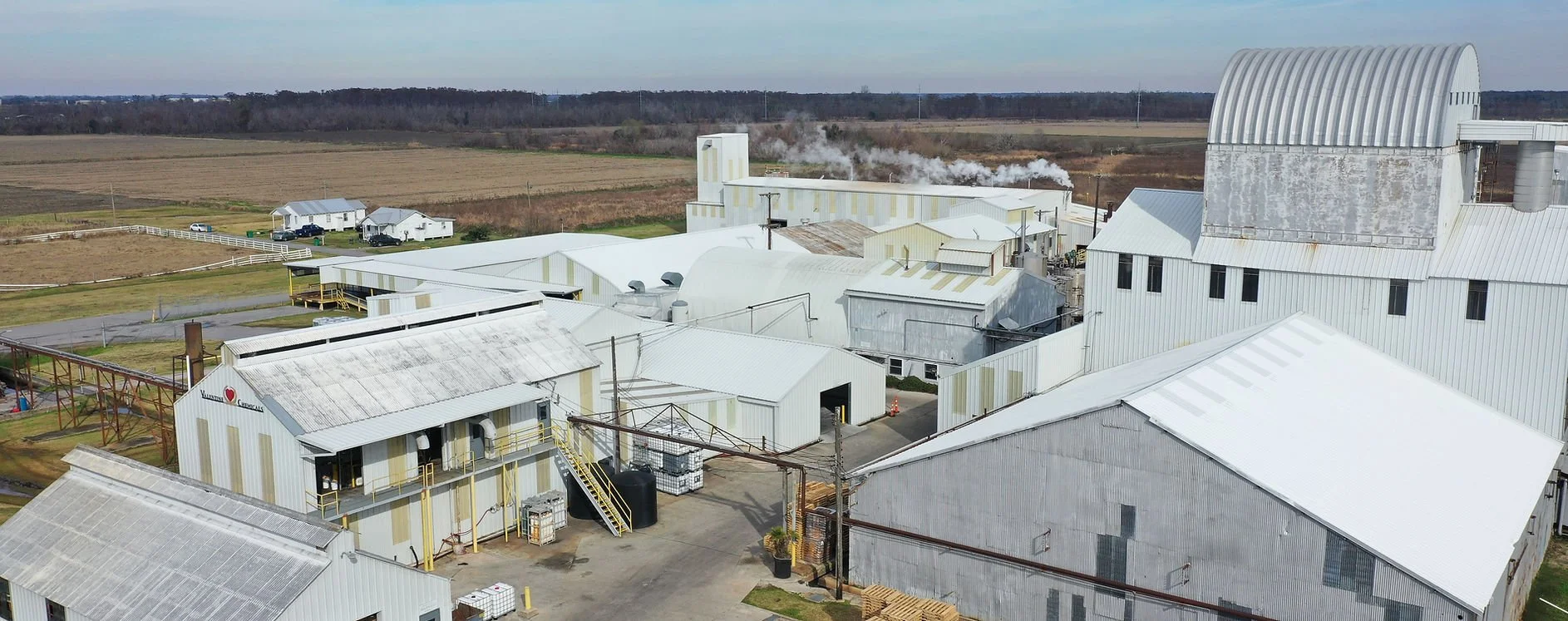
Safety, Compliance & Environmental Stewardship at Valentine Chemicals
When chemical manufacturers and distributors evaluate a contract toll partner, they're assessing more than production capacity and turnaround. They want to know whether a facility operates safely, manages its environmental obligations responsibly, maintains its regulatory standing, and can be trusted with proprietary formulations.
Valentine Chemicals has operated continuously since 1938 through decades of evolving safety and environmental requirements. Here's how that experience translates into day-to-day production accountability.
A Legacy of Operational Reliability
Operating since 1938, we have built a documented track record of regulatory navigation across multiple generations of changing federal and state requirements. As a fourth-generation, family-owned company, our capital decisions have consistently prioritized long-term reliability over short-term throughput, including ongoing investments in safety infrastructure and regulatory compliance.
Nearly 100 million pounds of polymer production to date, conducted under consistent handling, containment, and process safety protocols, reflects an operation that has maintained its standards at scale for decades.
Our long-tenured operations staff carry institutional safety knowledge that training manuals alone can't replicate. Stable, experienced teams mean shift handovers, hazard awareness, and process discipline are reinforced by years on the floor.
Safety Program and Culture
We operate a formal safety program with regular safety education meetings involving both management and plant personnel.
We track safety performance using industry-standard metrics, including Total Recordable Incident Rate (TRIR) and lost-time incidents. Over the last ten years, Valentine has recorded only one recordable accident — a performance record that reflects both the rigor of the program and the experience of the workforce.
Our operational safety protocols include a strict hot work protocol and a lockout/tagout (LOTO) system, applied across all operating areas whenever maintenance, repair, or construction work is required.
These represent active controls that govern how daily work gets done.
Integrated Safety in End-to-End Processing
Maintaining rigorous safety and compliance standards is more manageable when the entire production lifecycle occurs under one roof. Our single-site model reduces handoffs, limits vendor complexity, and keeps critical oversight closer to the process.
Facility Design and Physical Controls
Integrating liquid synthesis, drying, and packaging under one roof eliminates hazardous material transport between facilities, reducing transit-related exposure risk and the compliance gaps that can arise in multi-vendor supply chains.
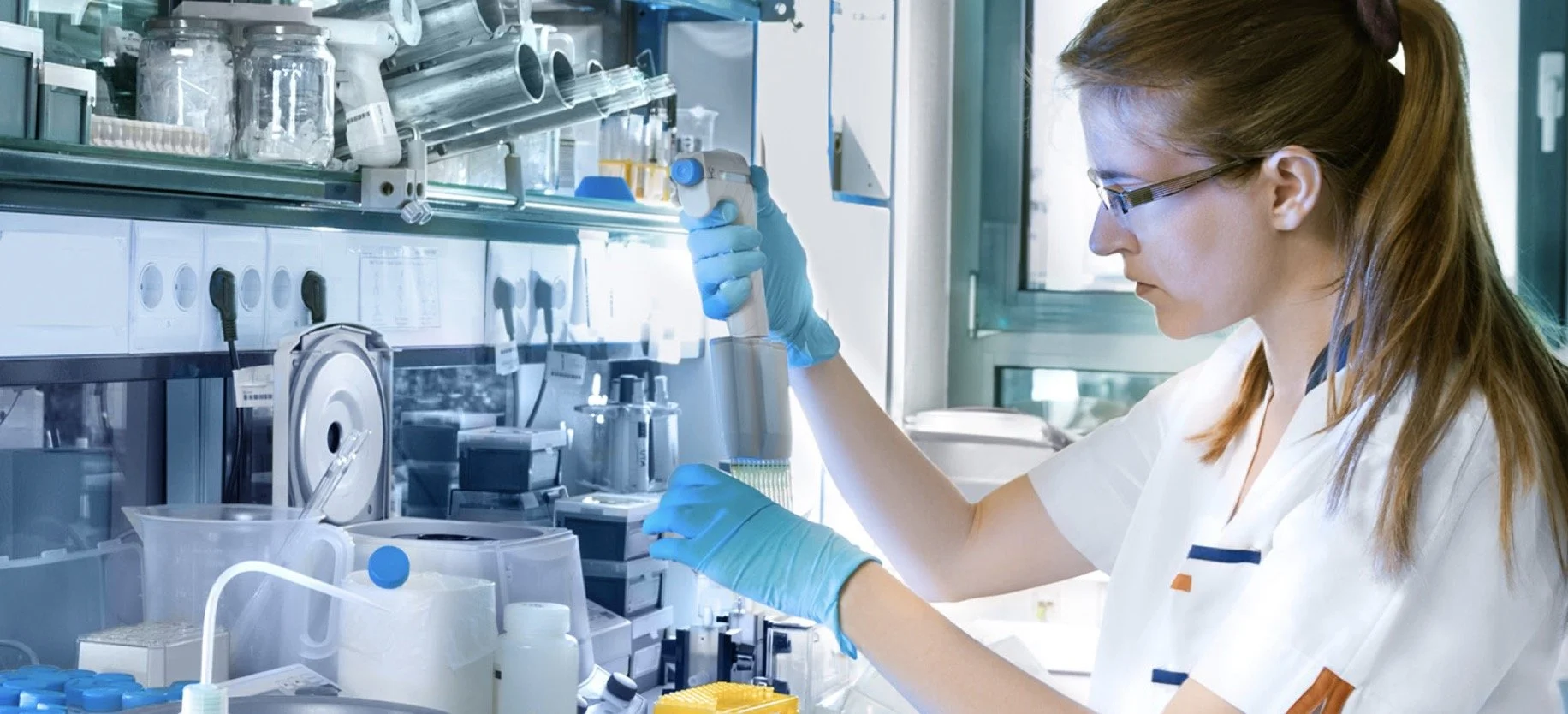
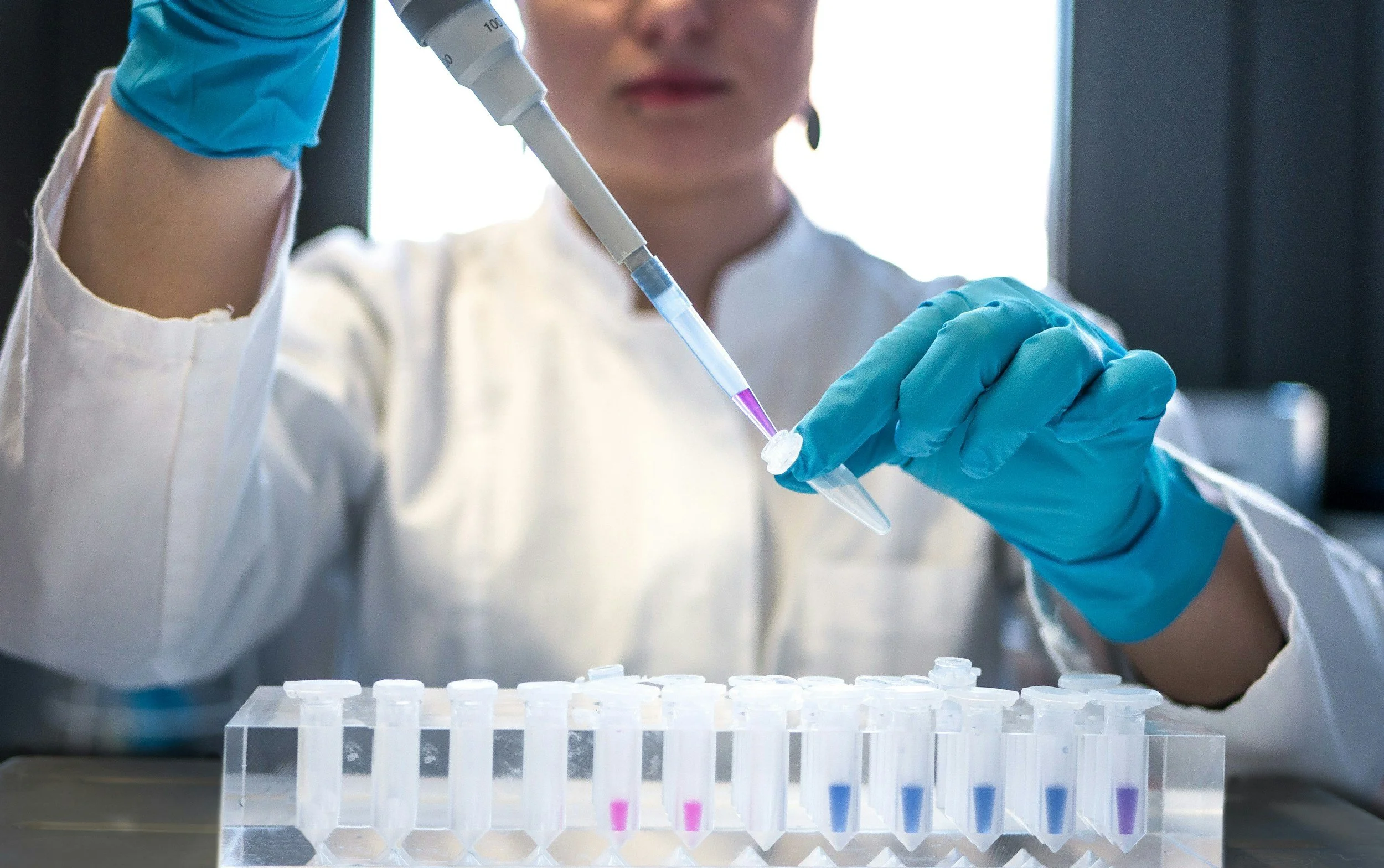
Our Quality Control (QC) lab is positioned adjacent to active reactors, enabling real-time monitoring, rapid process correction, and closer oversight of batch polymer synthesis throughout production.
Stainless steel tanks with 50+ truckload storage capacity are supported by proper containment infrastructure to mitigate spill risk at scale.
Climate-controlled and temperature-regulated storage (5,000+ sq ft) prevents material degradation and reduces the risk of accidental environmental release from improperly stored products.
Process Safety and Hazard Management
We follow strict process safety protocols consistent with OSHA's Process Safety Management (PSM) standard for our operating environment and material types.
Vacuum distillation and reflux control systems manage volatile components and capture emissions during polymer synthesis.
Hazardous materials are handled under established protocols for incoming receipt, compatibility review, and Safety Data Sheet (SDS) management before materials enter the production process, supporting safe handling from point of delivery through processing completion.
Quality Control as a Safety Layer
Our QC lab's proximity to active reactors supports both product integrity and process safety. Deviations can be identified and corrected quickly, reducing the risk of off-spec or unsafe batch conditions.
Batch documentation supports traceability, protecting both safety accountability and customer compliance requirements downstream.
Environmental Stewardship in the Chemical Corridor
Located in Louisiana's Mississippi River chemical corridor, we operate within a regulatory environment that reflects both the scale of regional chemical production and the sensitivity of the surrounding waterways. We hold a full suite of state and federal environmental permits and manage them actively.
Permits, Oversight, and Regulatory Standing
We hold all required air and water permits for our facility, including oversight from the Louisiana Department of Environmental Quality (DEQ), U.S. Environmental Protection Agency (EPA) air permits, and stormwater permits.
We maintain an active working relationship with the Louisiana DEQ, which has been responsive to modification requests as our operations have evolved — a cooperative, documented regulatory posture rather than a reactive one.
Waste and Emissions Management
Production waste streams are solidified and transferred to our certified Industrial Waste hopper for disposal at a licensed, certified disposal site, providing a controlled and documented process from point of generation through final disposition.
When drying biologicals, polymer slurries, or waste materials, we use our certified Industrial Waste hopper system to manage residuals, directing all output to approved disposal facilities.
Stormwater and Secondary Containment
Our facility is built around a three-stage stormwater protection system, designed to detect and contain a release at any point in the drainage path. This is a meaningful control given our location in the chemical corridor:
A manually operated gate at the plant perimeter can be closed immediately in the event of an in-plant spill, capturing all discharge before it exits the facility.
Downstream, water moves through a large drainage canal to a lift pump — with significant lag time — and that pump can be quickly shut down to capture any discharge from the plant.
That pump discharges into community-operated lift pumps, with additional lag time, sometimes measured in days, which can also be shut down rapidly. Final discharge reaches tidal waters flowing to the Gulf.
The Cost of Fragmented Quality Management
Technical Risks in Scale-Up and Synthesis
Transitioning from pilot batches to commercial scale introduces variables that become more difficult to manage when analytical testing is delayed or handled off-site. Without timely feedback from a quality control lab, technical teams may have limited ability to adjust parameters during production.
Delayed analytical data during batch polymer synthesis can lead to off-spec material or undesirable changes in polymer structure, which may result in batch rejection or reprocessing. By keeping testing adjacent to production, Valentine helps mitigate the risk of compromised product integrity and inefficient use of raw materials during critical scale-up phases.
Operational and Supply Chain Vulnerabilities
Off-site testing can introduce holding periods, tying up tank storage and slowing overall facility throughput. When quality control is separated from packaging and logistics, operations teams may face less predictable release timelines, which can impact delivery schedules and downstream commitments.
Managing multiple vendors for synthesis, drying, and testing increases administrative complexity and the number of potential failure points in the supply chain. As production volumes grow, the impact of disconnected quality control becomes more pronounced, potentially contributing to missed shipping windows, higher freight costs, and reduced inventory efficiency.
Discuss Your Next Project
Quality control is a foundational element of every project at Valentine Chemicals, from initial scale-up trials to full-scale chemical toll manufacturing.
Our integrated approach is designed to reduce vendor handoffs, protect your proprietary formulations, and support reliable commercial production.
Contact us to discuss your specific formulation requirements or request a toll manufacturing feasibility assessment.